Books Embroidery Design: A Designer’s Practical Review
As a designer who spends more time staring at stitch simulations than I do sleeping, I have learned that not every graphic translates well to thread. Some designs look fantastic on a screen but turn into a tangled mess of bobbin thread and frustration once they hit the hoop. When I first pulled up the Books design from the School Amp collection, my initial reaction was one of cautious optimism. It sits squarely in the Crafts category, promising a blend of academic charm and handmade warmth. But does it hold up under the needle? After putting this file through its paces on various fabrics and hoop sizes, I am ready to share my honest assessment for fellow embroidery designers, Etsy sellers, and hobbyists looking to add value to their product lines.
First Impressions and Visual Personality
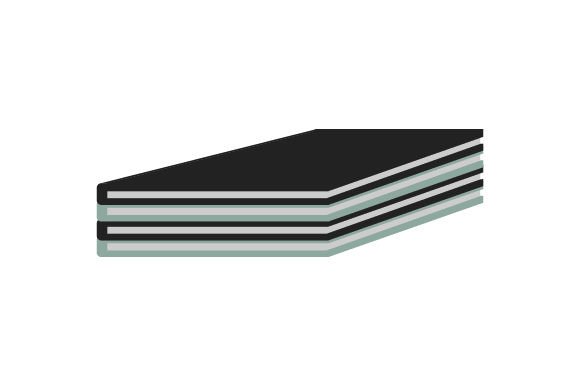
The Books design carries a distinct mood. It is not overly ornate or cluttered, which is immediately appealing for machine embroidery. In our industry, simplicity often equals reliability. The layout suggests a stack or arrangement of literature, evoking feelings of nostalgia, learning, and comfort. This visual personality makes it a natural fit for projects targeting readers, teachers, students, and librarians. Unlike complex illustrative pieces that require thousands of stitches to define shadows and gradients, this design relies on clean lines and recognizable shapes. This approach is crucial for maintaining stitching clarity, especially when working with standard home embroidery machines that may struggle with excessive density.
What stands out most is the versatility of the theme. While it is categorized under School Amp, its appeal extends far beyond the classroom. It feels equally at home in a cozy library nook or as part of a boutique branding effort for a bookstore café. For an embroidery product reviewer, this cross-category potential is a significant selling point. It means you are not limited to back-to-school sales; you can market this as a year-round asset for book lovers.
Real-World Application: The Tote Bag Test
To truly evaluate a design, you must imagine it on a finished product. I envisioned using Books for a custom embroidered tote bag, a staple item for any craft business. Tote bags are typically made from canvas or heavy cotton, fabrics that handle embroidery well but can be unforgiving if the design is too dense. I simulated the design on a medium-weight canvas. The result was promising. The shapes within the Books design provided enough open space to prevent the fabric from puckering, a common issue with large fill areas.
For an Etsy seller, this is a critical consideration. Customers expect a flat, professional-looking finished product. If the embroidery pulls the fabric too tightly, the bag looks cheap and distorted. With proper stabilizer usage, this design sits nicely on the surface, creating a tactile, raised effect that adds perceived value. It transforms a simple $5 blank tote into a $25 personalized gift. The design’s structure allows for creative thread color choices. You could use classic browns and creams for a vintage look, or vibrant primary colors to appeal to a younger, school-aged demographic. This flexibility is essential for small shop owners who need to offer variety without purchasing dozens of different design files.
Navigating Fabric and Hoop Constraints
While the design is robust, it is not without its limitations. Experienced designers know that context is everything. Where should you use Books carefully? First, consider the hoop size. If you are working with a 4x4 inch hoop, you must ensure the design scales down without losing integrity. Tiny details, such as the spines of the books or any accompanying text, can become indistinguishable blobs if reduced too much. Always check the dimensions before resizing. If the original file includes fine lines, they may need to be simplified or removed for smaller applications like cap embroidery or baby clothes.
Fabric texture also plays a pivotal role. On textured fabrics like terry cloth towels or fuzzy fleece, the crisp edges of the Books design might get lost. In these cases, using a satin stitch border around the elements can help define the shape against the noisy background. Conversely, on thin or stretchy fabrics like jersey t-shirts, the stitch density becomes a concern. If the design uses heavy fill stitches, it can weigh down the garment, causing it to sag. I recommend testing the design on scrap fabric first, specifically the same material you intend to sell. Use a cut-away stabilizer for knits to provide long-term support, ensuring the embroidery survives frequent washing without distorting.
Technical Considerations for Commercial Use
For those running a commercial embroidery business, efficiency is key. The file formats provided—SVG, Transparent PNG, EPS, and DXF—suggest a vector-based origin, which is excellent for scalability and cutting machines. However, for machine embroidery, you will need to ensure you have the correct digitized file format compatible with your specific machine (such as PES, DST, or JEF). The description lists SVG and DXF, which are often used for cutting vinyl or laser cutting, so verify if a dedicated machine embroidery file is included or if you need to digitize it yourself. If you are digitizing it from the SVG, pay close attention to stitch types. Convert large areas to fill stitches with appropriate underlay, and use satin stitches for borders to create a polished look.
Thread color contrast is another practical note. Because the design represents books, it likely benefits from high contrast to distinguish individual volumes. Test it in black and white mockups first. If the design relies solely on color changes to separate elements, it may fail on monochrome projects. Ensure that the shapes themselves provide enough separation so that even with a single thread color, the image remains recognizable. This is particularly important for corporate orders or school uniforms where color options may be limited.
Enhancing Brand Consistency and Customer Trust
Using a well-executed design like Books contributes significantly to brand consistency. For handmade shop owners, offering cohesive collections builds customer trust. If your shop specializes in literary-themed gifts, this design serves as a strong anchor piece. It can be applied to aprons for book club hosts, pillow covers for reading nooks, or even patches for denim jackets. The professional appearance of the stitched output reflects directly on your craftsmanship. Sloppy stitching or poorly chosen designs can deter repeat buyers, while clean, crisp embroidery encourages positive reviews and word-of-mouth referrals.
Moreover, the emotional connection customers have with books enhances the giftability of the product. A sweatshirt embroidered with this design is not just clothing; it is an identity marker for a reader. This emotional resonance drives buyer engagement. When customers feel that a product speaks to their passions, they are more likely to purchase and share it on social media. As a designer, leveraging this emotional angle in your product descriptions and printable mockups can significantly boost sales.
Final Verdict for Makers and Sellers
In conclusion, the Books design is a solid addition to any digital embroidery asset library, provided it is used with intention. It excels in applications where clarity and theme are paramount, such as tote bags, adult apparel, and home decor. It requires careful handling on small hoops and textured fabrics, but these are manageable challenges for any experienced maker. Before launching a full product line, always confirm licensing terms. Ensure that the license allows for commercial use if you plan to sell finished items. Check the specific stitch count and recommended hoop sizes if available, as these details dictate production time and cost.
For the craft entrepreneur, this design offers a balance of aesthetic appeal and technical feasibility. It avoids the pitfalls of over-complication while delivering a recognizable and charming motif. By pairing it with high-quality threads, appropriate stabilizers, and thoughtful fabric choices, you can create products that stand out in a crowded marketplace. Whether you are preparing holiday gifts, stocking your Etsy shop, or fulfilling a custom order for a local library, this design holds up to the rigorous demands of real-world embroidery. It is a tool that, when wielded with skill, can elevate your handmade products from simple crafts to cherished keepsakes.