Hare Sitting Vector Review: A Designer's Take on Line Art
As a designer who spends more time staring at stitch maps than most people care to admit, I approach new digital embroidery file acquisitions with a healthy dose of skepticism. We have all been there: you download a cute graphic, load it into your software, and realize the lines are too close together for a running stitch or the shapes are too complex for a clean satin column. That is why when I first encountered Hare Sitting. Vector Black and White from Coloring Pages Amp, I didn't just look at the preview; I immediately started thinking about how this specific line drawing would translate from a screen to a physical finished product.
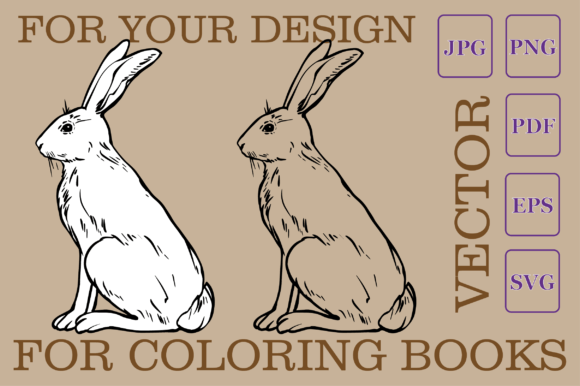
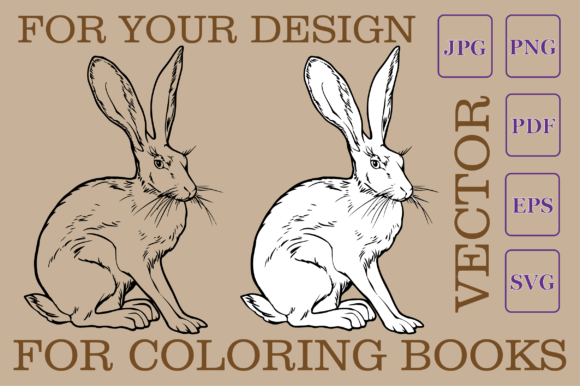
The initial impression of this design is its charming simplicity. It captures the essence of a hare in a seated position with a hand-drawn aesthetic that feels organic rather than rigidly geometric. For those of us working in the realm of craft business and handmade goods, this "sketchy" quality is gold. It moves away from the overly polished, clip-art look that saturates the market and offers something that feels artisanal. The mood is calm and whimsical, making it an ideal candidate for nursery decor, boutique apparel, or nature-themed home accessories.
Visualizing the Stitch-Out: From Vector to Thread
The core strength of Hare Sitting. Vector Black and White lies in its isolation and clarity. Because it is presented as a line drawing intended for coloring books and art school supplies, the contours are distinct. However, translating a vector line drawing into a machine embroidery design requires careful decision-making regarding stitch types. You cannot simply import this and hit "go" without considering how thread behaves differently than ink.
In my mental mockup for a custom project, I imagined this design stitched onto a linen tote bag. Linen has a visible weave, which can sometimes swallow up fine details. Here, the boldness of the hare's outline works in our favor. If I were digitizing this myself or using an auto-digitizer, I would lean heavily on a medium-weight running stitch or a narrow satin stitch for the main contours. The lack of internal shading in the original black and white file gives the embroiderer total creative control. You could leave it as a sleek monochrome outline for a modern look, or fill the body with a light fill stitch using variegated thread to mimic watercolor paints, nodding to the original product description.
This versatility is crucial for Etsy sellers and small shop product creators. One client might want a minimalist blackwork style on a canvas apron, while another might desire a colorful, stuffed-animal effect on a baby onesie. The design supports both approaches because the underlying structure is solid.
Real-World Application: The Custom Sweatshirt Scenario
Let's get practical. Imagine a customer orders a personalized gift for a wildlife lover: a cream-colored crewneck sweatshirt featuring this hare. This is a common request in custom apparel, but it presents challenges. Sweatshirt fabric is thick and often textured. When evaluating Hare Sitting. Vector Black and White for this specific application, the scale becomes the most critical factor.
If the design is too small, the details of the hare's ears and sitting posture might get lost in the fleece texture. Conversely, if it is too large, the hoop limitations of standard home machines could become an issue. Before committing to the final garment, I would strongly advise testing the design on a scrap piece of similar weight fabric. This allows you to check the stitch density. If the lines are too dense, the fabric might pucker, ruining the drape of the sweatshirt. If they are too sparse, the design might look unfinished.
For this specific project, I would pair the hare with a simple botanical element—perhaps a sprig of lavender or wheat—to balance the composition. Since the original file is isolated, adding these elements in your embroidery software is straightforward. This ability to customize transforms a simple graphic into a unique embroidery project that justifies a higher price point for your handmade product.
Navigating Fabric and Hoop Constraints
While the design is versatile, it is not without its constraints. Designers need to be cautious when applying this to stretchy fabrics like jersey knits or dark fabrics where contrast is key. On a navy blue hoodie, a black outline (if using black thread) would vanish. You must ensure your thread colors provide sufficient contrast against the background material.
Furthermore, consider the hoop size. If you are planning to use this for an embroidered patch, you need to ensure the design fits within a smaller hoop, perhaps 4x4 inches. At that scale, the fine lines of the hare's face might need simplification. Complex corners can be tricky for machines to navigate cleanly at high speeds. If the design includes very tight angles, slowing down your machine speed and using a high-quality cutaway stabilizer is non-negotiable to prevent distortion.
Curved surfaces, such as caps, present another hurdle. The center of a cap is narrow, and a wide sitting hare might not sit flat without significant manipulation or resizing. For holiday embroidery gifts like kitchen towels, the weave of the towel matters. A waffle weave might distort the straight lines of the vector art, so a smoother tea towel would be a safer bet for preserving the integrity of the drawing.
Commercial Viability and Brand Consistency
For commercial embroidery professionals and digital product sellers, the value of Hare Sitting. Vector Black and White extends beyond a single stitch-out. It serves as a foundational asset for branding. If you run a boutique focusing on woodland themes or eco-friendly goods, this image reinforces that brand identity. It feels authentic and grounded, which builds customer trust.
When creating printable mockups for your online store, this graphic shines. Its high-contrast black and white nature makes it easy to visualize on various product backgrounds without needing complex photo editing. This efficiency saves time when listing new items on marketplaces. However, a word of caution regarding licensing: always verify the terms provided by Coloring Pages Amp. While the file is zipped and ready for design work, selling the digital file itself versus selling a physical item embroidered with the design are two different legal landscapes. Ensure your license covers commercial use of the finished product.
Final Verdict for the Working Designer
In summary, Hare Sitting. Vector Black and White is a robust starting point for a variety of creative endeavors. It avoids the trap of being overly detailed, which often leads to stitching nightmares, while retaining enough character to be recognizable and endearing. Whether you are creating a personalized gift for a new baby, stocking inventory for a craft fair, or designing a new line of tote bag design options, this graphic holds up well under scrutiny.
My advice is to treat it as a flexible component rather than a rigid template. Experiment with different thread weights, try it on contrasting fabrics, and don't be afraid to modify the scale to fit your specific applique design needs. With the right stabilizer and a bit of test stitching, this hare can hop right off the screen and become a best-seller in your shop. Just remember, the magic isn't just in the download; it's in how you execute the stitch.