Review: First Day of School T-shirt Design for Embroidery
As a designer who spends more time staring at stitch maps than most people spend looking at their phones, I approach new T-Shirt Designs with a healthy dose of skepticism. We all know the difference between a graphic that looks crisp on a screen and one that translates beautifully into thread. When I first opened the files for the First Day of School T-shirt Design, my immediate goal wasn't just to admire the vector lines; it was to visualize how this Graphics asset would behave under the needle of a multi-head machine or a home hoop setup.
Visual Personality and Initial Impressions
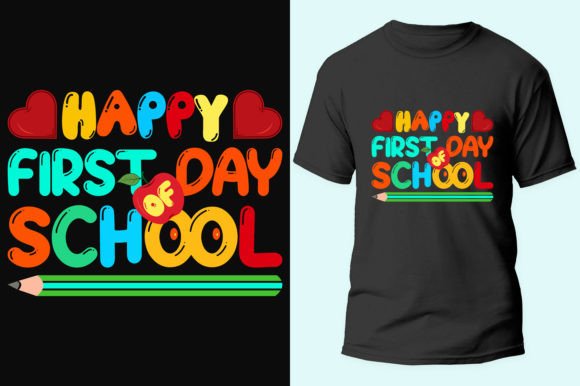
The first thing that strikes you about this design is its cheerful, welcoming mood. It captures that specific mix of excitement and nervousness that defines the start of the academic year. The layout is balanced, avoiding the cluttered feel that often plagues seasonal designs. For an embroidery project, clean lines are everything. This design offers distinct shapes that suggest a straightforward path for digitizing if you are converting from the provided vector formats, or a clean run if you are using a pre-digitized version derived from these assets.
The visual personality leans towards the playful yet classic side, making it versatile. It doesn't scream "trendy" in a way that will look dated by October, which is crucial for handmade product creators who need inventory that sells throughout the entire back-to-school season. The typography appears bold enough to hold up well, a critical factor when considering how satin stitch or fill stitch will render the letters on textured fabrics.
Real-World Application: The Boutique Sweatshirt Scenario
To truly test the viability of this design, I imagined a real-life scenario common for Etsy sellers and small shop owners: a custom order for a local boutique needing a run of personalized sweatshirts. The client wants a premium feel, not a cheap heat-transfer look. Here, the First Day of School T-shirt Design shines as a foundation for sweatshirt embroidery.
On a mid-weight cotton blend fleece, the design's elements would pop nicely. If you are digitizing this yourself from the included AI File or EPS 10 File, you have the freedom to adjust the stitch density to suit the nap of the fleece. A lower density prevents the fabric from puckering, while strategic underlay ensures the design sits flat. For a personalized gift angle, adding a name below the main graphic using a complementary font transforms this from a generic graphic into a cherished keepsake. The scalability of the vector source files means you can easily resize the artwork to fit a chest pocket or a full back panel without losing resolution.
Versatility Across Product Lines
Beyond sweatshirts, this design is a strong contender for various custom apparel items. Imagine applying this to a canvas tote bag design. The sturdy weave of canvas handles dense stitching well, and the school theme aligns perfectly with book bags and library totes. For baby embroidery, scaling the design down for a onesie or a bib requires careful attention to detail. The source files, including the SVG File and DXF Fi (likely DXF), allow for precise manipulation to ensure no tiny elements get lost when reduced to a 3x3 inch hoop size.
I also see potential for this design in home decor, such as a pillow cover for a child's reading nook or a festive holiday embroidery piece for a teacher appreciation gift in September. The adaptability of the digital embroidery file sources means you aren't locked into a single application. Whether you are creating an embroidered patch to iron onto a jacket or printing a printable mockup for your online store, the clean lines of the original illustration provide a professional base.
Technical Considerations and Fabric Challenges
However, no design is without its challenges, and a responsible reviewer must point out where caution is needed. While the vector quality is high, translating this to thread on difficult surfaces requires planning. If you are working with stretchy fabrics like jersey knits for t-shirts, the stability of the design becomes paramount. You must use the correct stabilizer—likely a cut-away for long-term durability—to prevent the design from distorting after washes.
Dark fabrics present another consideration. The original illustration likely assumes a light background. If stitching onto navy or black garments, you will need to manually add a white underlay in your embroidery software or choose thread colors with high contrast to ensure readability. Tiny lettering, if present in the detailed versions of the design, can be problematic on textured towels or caps. On a curved surface like a cap, the geometry of the design shifts; what looks straight on a flat screen might arch unexpectedly. Always run a test stitch-out on scrap fabric that matches your final product's texture and weight.
Enhancing Brand Value and Customer Trust
Using high-quality source art like this directly impacts your brand consistency. When customers receive a finished product where the stitches are crisp and the design is well-proportioned, it builds trust. It signals that you care about quality, distinguishing your small shop product from mass-produced alternatives. For commercial embroidery projects, this reliability is key to securing repeat business from schools or parent groups.
The professional presentation of the design assets—including the PDF file and JPEG file for quick previews—streamlines your workflow. You can quickly generate marketing materials or show proofs to clients without firing up heavy design software every time. This efficiency allows you to focus more on the creative aspects of your craft business rather than administrative hurdles.
Final Verdict and Designer Notes
In conclusion, the First Day of School T-shirt Design is a robust asset for any decorator's library. It bridges the gap between cute graphics and stitch-ready art effectively. However, success lies in the execution. Before committing to a large production run, I strongly advise checking the specific license terms associated with these files to confirm they allow for commercial embroidery and resale of finished items.
Remember to test your thread color palette against the fabric swatch. Sometimes a color that looks vibrant on screen appears dull on heather grey fleece. Check the stitch density settings in your digitizing software to ensure the design breathes, especially if using it on lightweight materials. Verify that the hoop size you have available can accommodate the design dimensions you intend to use. By treating these design assets with the technical respect they require, you can turn a simple vector illustration into a standout embroidery project that delights customers and elevates your portfolio.