School Books Elements: Graphics & Illustrations
As a graphic designer who has spent over a decade refining brand identities and creating marketing visuals for small businesses, I approach every new graphic design asset with a critical eye. It is not enough for an image to look cute; it must perform under the pressure of real-world application. Recently, I evaluated the School Books Elements collection for a potential client project involving a boutique stationery brand launching a back-to-school campaign. My goal was to determine if these assets could elevate the visual mood while maintaining the professional polish required for commercial design.
First Impressions and Visual Mood
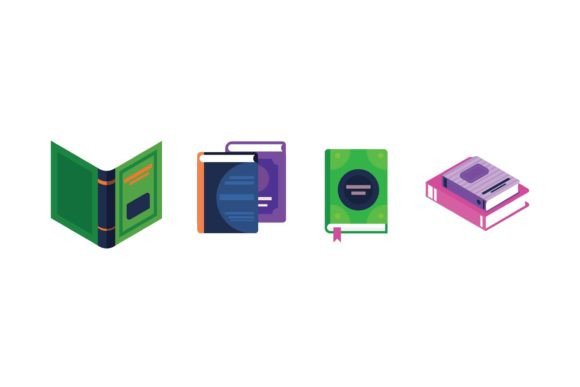
The moment I opened the files, the aesthetic clarity stood out. The School Books Elements evoke a sense of nostalgic academia mixed with modern minimalism. This is not cluttered clipart; it is a curated set of illustrations that feel intentional and balanced. For a designer, this distinction is crucial. Cluttered assets require hours of cleanup, but these elements are ready for immediate integration into a brand identity.
The style leans towards a clean, vector-based look that works exceptionally well for both digital and print mediums. Whether you are designing for a handmade business on Etsy or creating high-volume print-on-demand products, the versatility of these graphics allows them to adapt to various themes. They create a welcoming, educational, and creative atmosphere, making them ideal for projects targeting students, teachers, parents, or lifelong learners.
Versatility in Real Client Projects
In my review, I tested how these assets performed across different design scenarios. The primary strength of School Books Elements lies in their adaptability. Here is how they hold up in specific professional contexts:
- Packaging Design and Labels: The crisp lines of the SVG files make them perfect for product labels on notebooks, pencil cases, or artisanal soaps. They add a thematic touch without overwhelming the brand name.
- Social Media Graphics: For Instagram posts or Pinterest pins, these elements serve as excellent decorative accents. They break up text-heavy layouts and add visual interest to educational quotes or promotional announcements.
- Printable Wall Art and Decor: With a canvas size of 1920 px by 1280 px, the resolution is sufficient for standard home prints. They work beautifully in framed sets for classrooms or home offices.
- Cricut Projects and Sticker Design: The inclusion of SVG files is a major win for crafters. These can be easily cut into vinyl stickers, tote bag designs, or t-shirt graphics, expanding their utility for small business owners who sell physical goods.
- Web Design and Blog Visuals: As header images or section dividers on educational blogs, these illustrations provide a cohesive look that enhances user engagement without slowing down page load times.
Strategic Placement and Visual Hierarchy
One common mistake junior designers make is overcrowding a layout with too many decorative elements. When using School Books Elements, I recommend treating them as supporting actors rather than the lead. They shine best in large layout areas where they can breathe, such as hero sections on a landing page or the background of a flyer. Using them as subtle textures or corner accents in a Canva template can also enhance the overall composition without distracting from the core message.
However, caution is needed in complex layouts. If your design already features heavy typography or intricate photography, adding these graphics might disrupt the visual hierarchy. In minimalist branding or corporate materials where clean lines and strict professionalism are paramount, these playful elements might feel out of place. Always consider the emotional appeal and audience engagement goals before integrating them. For a playful, creative marketplace vibe, they are perfect; for a sterile corporate report, they may be too informal.
Technical Performance and File Formats
A professional review would be incomplete without discussing the technical specifications. You will receive this design in multiple formats: AI File, SVG File, Transparent PNG, JPG File, and EPS File. Each format serves a distinct purpose in the design workflow.
The SVG design and AI files are invaluable for scalability. I tested resizing the vector files from a tiny favicon size to a large poster dimension, and the edges remained sharp and crisp. This is essential for logo design applications or large-format printing where pixelation is unacceptable. The transparent PNGs are equally important for quick drag-and-drop workflows in tools like Canva or Photoshop, allowing for seamless layering over colored backgrounds or photos.
The canvas size of 1920 px by 1280 px provides a solid baseline for digital use. However, for high-quality sublimation design or large-scale print-on-demand items, I always recommend checking the DPI settings when exporting from the vector files to ensure maximum clarity.
Practical Designer Notes for Commercial Use
Before delivering any final design to a client, I run through a checklist to ensure quality and compliance. Here are my practical notes for using School Books Elements:
- Test in Black and White: Convert the elements to grayscale to check their structural integrity. A good illustration should hold its form even without color. This helps identify any weak lines or overly detailed areas that might blur in small sizes.
- Check Contrast: Preview the assets on both light and dark backgrounds. Ensure there is sufficient contrast for readability and visibility, especially if used in marketing visuals or web design.
- Font Pairing: These elements pair well with serif fonts for a classic academic look, sans serif fonts for a modern twist, or handwritten fonts for a playful, personal touch. Avoid overly ornate display fonts that might compete with the graphics.
- Mockup Testing: Place the designs on real product mockups, such as mugs, tote bags, or book covers. This helps visualize how the digital product translates into a physical item.
- Licensing Verification: Always confirm the commercial license terms before using these assets for client work or selling end products. Understanding the rights associated with the design bundle protects both you and your client from legal issues.
Final Verdict for Small Business Branding
In the context of small business branding, School Books Elements offer a reliable and versatile solution. They bridge the gap between professional polish and approachable charm. For entrepreneurs running an Etsy shop, a print-on-demand store, or a local tutoring service, these assets provide a quick way to establish a cohesive visual language.
The ability to edit the vectors means that custom colors can be applied to match specific brand palettes, ensuring consistency across all marketing visuals. Whether you are creating a seasonal campaign, designing editorial content, or building a suite of social media templates, these illustrations provide a strong foundation. They are not just decorative; they are functional tools that help communicate a brand’s personality effectively.
Ultimately, the value of a creative design asset lies in its ability to save time while enhancing quality. School Books Elements succeed in this regard. They are well-constructed, aesthetically pleasing, and technically robust. For designers looking to add a touch of academic whimsy to their projects without sacrificing professionalism, this collection is a worthy addition to their toolkit. It supports the creation of polished, engaging, and commercially viable designs that resonate with audiences and stand out in a crowded creative marketplace.