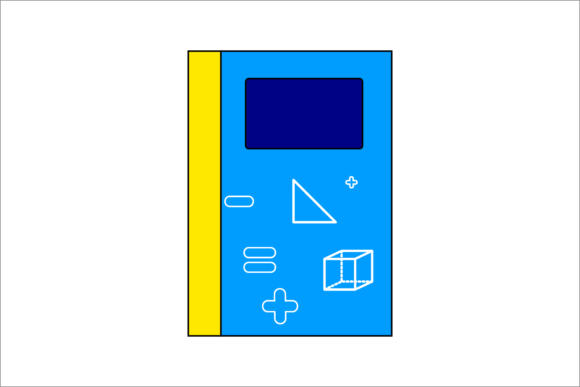
Math Thick Book: A Designer's Review for Embroidery Projects
As someone who spends hours digitizing, stitching, and critiquing designs for real-world application, I approach every new machine embroidery design with a mix of curiosity and skepticism. We've all been there: you download a cute graphic, load it onto your machine, and halfway through the stitch-out, you realize the density is too high for the fabric or the details are going to get lost in the thread bulk. That is why I took a close look at the Math Thick Book design. This isn't just a digital asset; it is a potential cornerstone for back-to-school collections, teacher appreciation gifts, and educational boutique items.
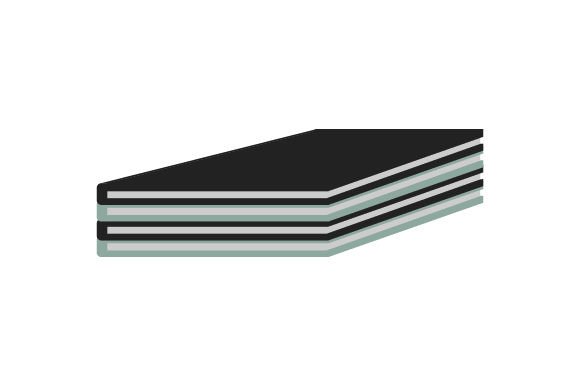
The first impression of Math Thick Book is one of sturdy reliability. The title "Thick" implies weight and substance, and visually, the design delivers on that promise. It carries the mood of a classic textbook—something you might find on a desk in a serious study hall or a beloved teacher's shelf. For an embroidery project, this visual personality is crucial. It doesn't scream "cartoonish"; instead, it suggests durability and knowledge. When I visualize this stitched out, I immediately think of applications where a solid, recognizable icon adds value without overwhelming the garment. It fits naturally into the Icons and Graphics categories but transcends them by offering a specific narrative suitable for academic-themed merchandise.
Real-World Application: The Teacher Tote Scenario
To truly evaluate this design, I imagined a specific real-life scenario: preparing a custom order for a local elementary school's end-of-year teacher appreciation event. The client wanted a set of heavy-duty canvas tote bag designs that looked professional yet approachable. This is where Math Thick Book shines. Unlike overly intricate scenes that require thousands of stitches and risk puckering on canvas, this icon offers a clean silhouette.
If I were stitching this onto a natural cotton tote, the bold lines of the book cover would stand out beautifully against the textured weave. The design's simplicity ensures that even from a distance—say, a teacher walking down a hallway carrying supplies—the subject matter is instantly recognizable. It works exceptionally well for custom apparel like polo shirts for tutoring centers or sweatshirt embroidery for math club hoodies. The "thick" aspect of the book translates well into satin or fill stitches, giving the finished product a tactile quality that feels premium. Customers touching the finished product would feel the raised texture of the book spine, adding a layer of sensory engagement that flat prints simply cannot achieve.
Technical Performance and Stitching Considerations
However, a pretty picture on a screen does not always equal a successful stitch-out. When working with any digital embroidery file, especially one depicting an object with defined edges like a book, you must consider stitch density. While the product description guarantees the design's availability in multiple formats (AI, EPS, SVG, JPG, PNG), it is vital to remember that for machine embroidery, you need a dedicated embroidery file format (like DST, PES, or XXX) generated from these vectors or provided separately. If you are using the SVG or AI files to digitize it yourself, pay close attention to how you handle the corners.
Books have sharp 90-degree angles. In embroidery, sharp corners can be tricky. If the fill stitch direction isn't managed correctly, you might get thread bunching or gaps at the corners. My advice is to test the design on scrap fabric first. Check how the machine handles the transition between the book cover and the pages. If you are an Etsy seller planning to sell this as a physical good, consistency is key. You do not want one batch of personalized gifts looking crisp while another looks sloppy due to unmanaged pull compensation.
Fabric choice is another critical factor. The Math Thick Book design likely features solid areas of color. On stretchy fabrics like jersey knits used for baby embroidery or t-shirts, a dense design can restrict movement and cause the fabric to pucker. In these cases, using a high-quality cutaway stabilizer is non-negotiable. Conversely, on stable fabrics like denim jackets or apron canvas, a tear-away stabilizer might suffice, but always err on the side of caution. For dark fabrics, ensure your thread colors provide enough contrast. A light-colored book on a navy blue sweatshirt looks striking, but if the design relies on subtle shading, those details might vanish into the background fabric.
Commercial Viability for Small Shops
For craft business owners and creative entrepreneurs, the versatility of a design determines its ROI. The Math Thick Book is a strong contender for seasonal drops. Think beyond just backpacks. This icon is perfect for holiday embroidery during the back-to-school rush in August, or even as a subtle accent on graduation gifts in May. It could be appliquéd onto a onesie for a "little mathematician" or stitched as a pocket detail on a librarian's cardigan.
The fact that the source files include vector formats like EPS and AI is a significant plus for those who create printable mockups or need to resize the graphic for different marketing materials. However, for the actual stitching, verify the hoop size requirements. While the canvas size is listed as 1920 px x 1280 px for the graphics, the physical stitch dimensions depend on the embroidery file settings. Ensure the design fits within a standard 4x4 or 5x7 hoop if you plan to do high-volume production on smaller home machines. If the design is too large, it may require re-digitizing to fit smaller hoops without losing the integrity of the "thick" book aesthetic.
Final Verdict and Designer Notes
In the world of commercial embroidery, trust is built on the quality of the handmade product. Using a well-thought-out design like Math Thick Book can enhance your brand's reputation for delivering clean, thematic, and durable goods. It avoids the clutter of overly complex designs while maintaining enough character to be interesting.
Before committing to a full production run, here are my practical notes for fellow designers:
- Test on Contrast: Always stitch a sample on both light and dark fabric to check visibility.
- Check Licensing: The description mentions a guarantee, but always confirm if the license allows for unlimited commercial sales of finished physical items versus selling the digital file itself.
- Inspect Small Details: Look closely at the "pages" of the book. Are they represented by running stitches that might break easily, or small fill areas? Tiny details often disappear after the first wash.
- Stabilizer Strategy: Match your stabilizer to the fabric texture. Textured towels need more support than smooth poly-blends.
- Wash Testing: Since this is likely for school items which get frequent washing, run a wash test on your sample to ensure the threads don't fray or the fabric doesn't distort.
Ultimately, Math Thick Book serves as a reliable workhorse design. It may not be the flashiest graphic in your library, but for small shop products targeting students, educators, and parents, it hits the mark. It bridges the gap between a simple icon and a meaningful symbol of learning. With proper digitizing checks and fabric selection, it can become a staple in your design assets folder, ready to be stitched into countless personalized gifts that bring a smile to teachers and students alike.